By Gen Just Law
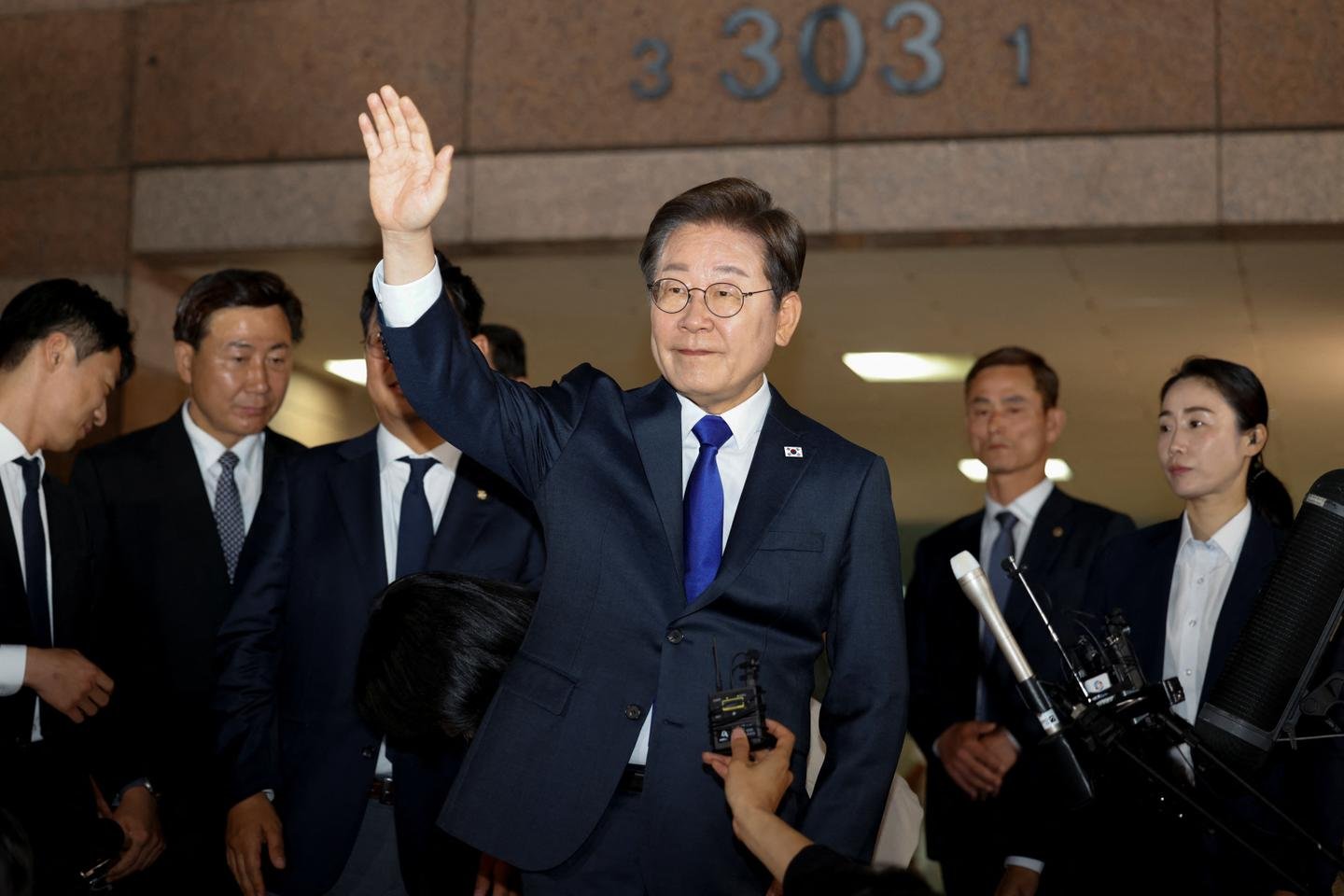
Seoul, June 10, 2025 — A Seoul High Court indefinitely postponed South Korean President Lee Jae-myung’s trial for alleged 2022 election law violations on Monday, June 9, 2025, citing constitutional immunity under Article 84, which shields sitting presidents from most criminal prosecutions.
Unverified reports in local media suggest Lee aims to reshape the judiciary by suspending his ongoing trials and expanding the Supreme Court, sparking concerns about judicial independence and potential overreach in South Korea’s democracy.
The trial, related to Lee’s alleged false statements about a land development project during his 2022 presidential campaign, was set for June 18 but is now on hold due to Article 84, which protects presidents from prosecution for most crimes, except insurrection or treason.
Lee, sworn in on June 4, 2025, after a snap election, faces five legal cases, including election law violations and bribery. His Democratic Party is pushing a bill to suspend pre-existing trials until his term ends, fueling debate over whether immunity applies retroactively.
Legal scholars remain split, with some arguing the law is ambiguous on ongoing cases.Unconfirmed reports in local media claim Lee passed a bill on his first day to pause his five trials and proposed increasing the Supreme Court from 14 to 30 justices, with a majority to be appointed by him.
These claims lack verification from major outlets, and no official government statement confirms such legislation. Critics warn that expanding the court could politicize the judiciary, drawing parallels to global trends of judicial manipulation, while Lee’s supporters argue reforms are needed to correct biases from conservative-led courts under former President Yoon Suk Yeol.
The lack of evidence for these claims has heightened public skepticism, with concerns about Lee exploiting immunity to evade accountability.Lee’s legal troubles stem from a turbulent political rise.
Elected after Yoon’s failed martial law attempt in December 2024, Lee won a snap election with 79.4% voter turnout—the highest since 1997—reflecting a polarized nation.
His inauguration speech promised economic revival, crypto-friendly policies like Bitcoin ETFs, and dialogue with North Korea, but the trial suspension and judicial reform rumors threaten to overshadow his agenda.
The Democratic Party’s push to revise criminal procedure laws to pause trials has drawn scrutiny, with analysts warning Lee must avoid perceptions of “political revenge” while addressing martial law perpetrators.South Korea’s political landscape remains volatile.
Lee’s immunity delays but does not dismiss his legal challenges, as post-tenure prosecutions remain possible. Public sentiment, as reported by Reuters and the South China Morning Post, is divided, with supporters viewing Lee as a target of political vendettas and critics questioning his integrity. Geopolitically, the White House has raised concerns about Chinese interference in the election, though it affirmed the vote’s fairness, adding complexity to Lee’s presidency.
As Lee navigates these controversies, his actions will shape trust in South Korea’s institutions. The judicial reform debate and trial suspension highlight tensions between executive power and democratic checks, with implications for the nation’s global standing.
Sources : Reuters, Korea JoongAng Daily
Leave a Reply