As the 47th Association of Southeast Asian Nations Summit convened in Kuala Lumpur, all eyes turned to the long-troubled Cambodia–Thailand border. After months of skirmishes, diplomatic pressure and displacement on both sides, leaders from Cambodia and Thailand signed a formal peace and border-management pact under heavy international mediation.
The legal architecture of the agreement rests on the notion that a ceasefire alone isn’t enough. This pact embeds observer teams, de-mining zones and a withdrawal of heavy weaponry from the disputed frontier. By doing so it offers a textbook example of how international humanitarian-law norms intersect with interstate settlement processes.
From a governance standpoint, the deal also tests the “ASEAN way.” The bloc, conventionally known for consensus-based diplomacy and non-interference, is now embracing formalised monitoring mechanisms and third-party observers, tools more common in treaty-bound security frameworks than in the region’s tradition. This shift matters because it signals a willingness among member states to translate commitment into verifiable action.
However, the true legal challenge lies in enforcement. Ceasefire deals are tradition-rich but execution-poor unless backed by clear jurisdictional and institutional commitment. With this pact, the key question becomes: Who governs compliance, and under what accountability regime? The language suggests ASEAN may evolve from a diplomatic forum into a modest arbiter of regional peace obligations. In other words, law is no longer sitting quietly on the sidelines, it is being pressed into the service of diplomacy.
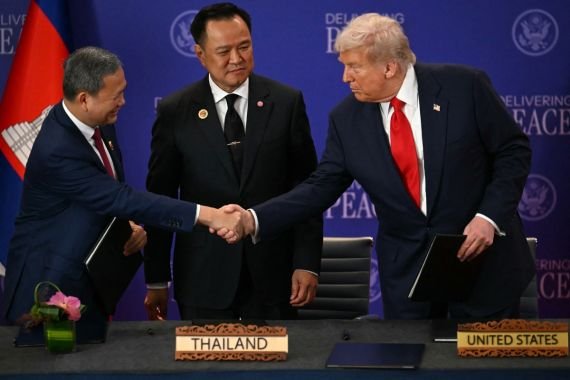
ASEAN 2025 — The Cambodia–Thailand Kuala Lumpur Peace Accords

Gen Just Law
Jessica is the founder of Gen Just Law and the voice behind JESSISPRUDENS™ and THE JESS DOCKET™. She covers major criminal trials and breaking legal developments with a focus on the evidence, the law and the questions that remain after the headlines move on.
𝕏 Follow on X: @genjustlaw
Leave a Reply