
A U.S. federal jury in New York has found France’s largest bank, BNP Paribas, civilly liable for aiding atrocities committed during Sudan’s civil war. The verdict, delivered under the Alien Tort Statute (ATS) and the Trafficking Victims Protection Reauthorization Act (TVPRA), marks the first time a major financial institution has been held responsible for indirectly financing mass killings, ethnic cleansing, and famine.
The plaintiffs, three Sudanese refugees, testified that BNP’s financial channels helped prop up Omar al-Bashir’s regime as it conducted scorched-earth campaigns across Darfur. Jurors agreed, awarding $20.5 million in damages. The decision ties BNP’s oil-trade and arms-payment services directly to funds used for systematic attacks on civilians.
BNP’s lawyers insist the verdict is “erroneous” and vowed to appeal, arguing the bank never intended to aid war crimes and operated under then-existing international sanctions frameworks. Yet the jury concluded BNP knew its Sudan accounts masked atrocity financing, an argument prosecutors built from internal compliance memos showing repeated risk warnings ignored at executive level.
The outcome reverberates far beyond Sudan. It revives a legal question long left dormant: Can corporate finance constitute complicity in genocide? Under both the ATS and TVPRA, liability hinges on “knowing participation” not direct intent. That threshold now exposes multinational banks to suits wherever their transactions fuel regimes engaged in war crimes or crimes against humanity.
For lawyers and compliance officers, the precedent is seismic. It transforms due diligence from a moral checklist into a legal shield. The verdict suggests courts are willing to pierce the veil between financial neutrality and ethical responsibility, framing capital flow as an instrument of conflict when knowingly abused.
BNP’s share price dropped nearly seven percent after the ruling, while European regulators and human-rights groups called for parallel investigations. The bank has not set aside new provisions for damages in its third-quarter reports, signaling confidence in its appeal but that optimism may fade as more victims file claims.
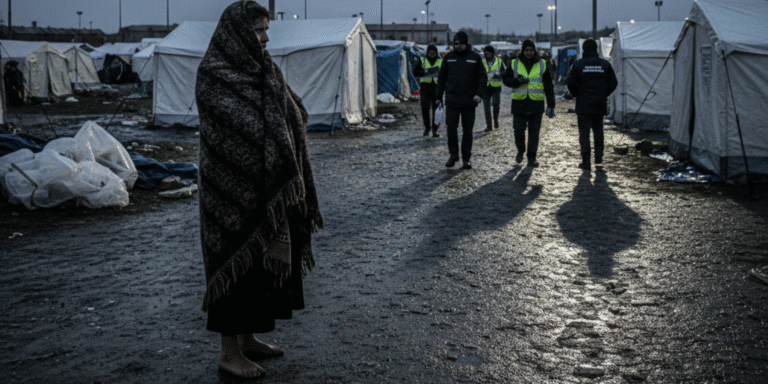
For the displaced millions still living with the scars of Darfur, justice has come decades late. Whether symbolic or substantive, the jury’s finding affirms that accountability in war no longer stops at the gunman or the general, it reaches the banker behind the transfer.
As this case heads to appeal, the question lingers: will this become the moment when international law finally enforces moral finance, or just another entry in the long ledger of deferred justice?
Author

Latest entries
 Lex Feminae Index2026-01-29Kenya 🇰🇪 | A Legal System That Acknowledges Violence But Fails to Stop It
 Lex Feminae Index2026-01-27Climate-Driven Displacement: The Jurisdictional Black Hole For GBV Survivors
 Lex Feminae Index2026-01-16Why Access To Justice Determines GBV Outcomes in Climate Crises
 Lex Feminae Index2025-12-1016 Days |Online Abuse Is Gender-Based Violence. The Law Must Catch Up