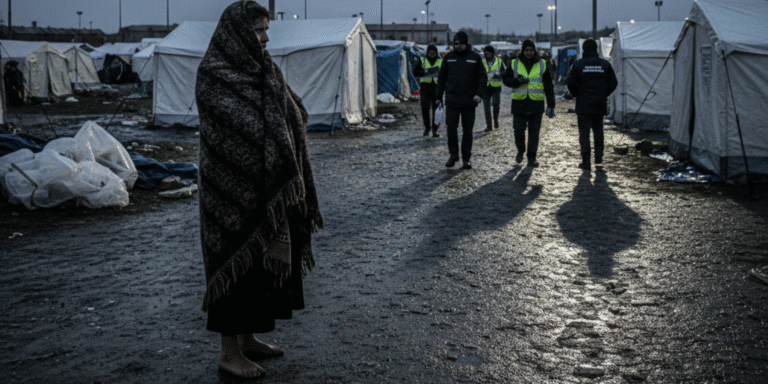

Gender-based violence (GBV), domestic abuse, sexual exploitation, forced marriage, always carries heavy physical and psychological costs. But when violence overlaps with disaster, displacement, or climate shock, those wounds deepen and compound.
Studies show that survivors of GBV suffer disproportionately high levels of mental-health trauma: depression, anxiety, post-traumatic stress, substance abuse.
In disaster-affected communities, these risks multiply. When services collapse and protective networks dissolve, victims lose access to support. Shelters may not exist. Courts may be unreachable. Medical care may be overwhelmed by other emergencies. In that context, violence becomes not just more likely but more damaging.
One emerging line of inquiry shows just how grave the link is. Among women in regions suffering droughts or floods, hospitalizations for intimate partner violence rose by nearly 9 percent during crisis periods, a strong signal that environmental stress exacerbates domestic violence.
The health consequences for survivors are often long term: physical injury, unwanted pregnancy, sexually transmitted infections, chronic trauma, psychological disorders. Children raised in such environments face intergenerational harm. Studies link childhood exposure to household violence with increased risk of both victimization and perpetration later in life.
Despite these facts, mental-health and justice systems are rarely designed to handle GBV in disaster scenarios. International treaties on climate and disaster response seldom integrate gender-based violence protection. That absence ensures that survivors remain invisible.
From a policy-advisor perspective, the failure is structural. Disaster risk reduction (DRR) frameworks address shelter, food, infrastructure. They rarely mandate protection for gender-based violence survivors or ensure continuity of judicial and mental-health support.
For meaningful resilience we need a paradigm shift. DRR and climate adaptation plans should embed gender-sensitive GBV prevention as core components. Relief and reconstruction funding must guarantee safe housing, trauma-informed medical care, legal aid, and psychosocial services. Early-warning systems should consider gendered vulnerabilities: who evacuates first, who cares for children, who has mobility and privacy.
If we rebuild safer buildings but ignore human safety, we reconstruct disaster in a new form. Women’s lives cannot be collateral damage in climate strategies.
Author

Latest entries
 Lex Feminae Index2026-01-29Kenya 🇰🇪 | A Legal System That Acknowledges Violence But Fails to Stop It
 Lex Feminae Index2026-01-27Climate-Driven Displacement: The Jurisdictional Black Hole For GBV Survivors
 Lex Feminae Index2026-01-16Why Access To Justice Determines GBV Outcomes in Climate Crises
 Lex Feminae Index2025-12-1016 Days |Online Abuse Is Gender-Based Violence. The Law Must Catch Up