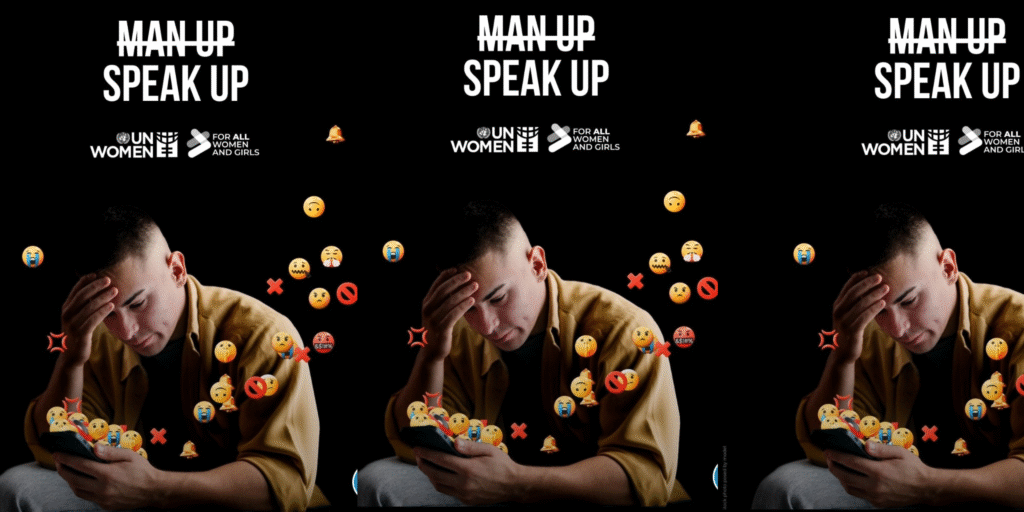
I am taking part in the 16 Days of Activism Against Gender-Based Violence because online abuse is no longer separate from “real” harm. It never was. Digital violence follows women into their homes, their workplaces, their sleep, and their mental health. Pretending otherwise has been one of the most convenient legal fictions of the last decade.
Online abuse is gender-based violence when it targets women because they are women, when it uses sexualized threats, humiliation, coercion, or surveillance as weapons, and when its goal is control. Harassment, doxxing, deepfake pornography, non-consensual image sharing, and coordinated intimidation campaigns are not speech acts. They are acts of harm. The fact that they are mediated through a screen does not reduce their severity. It only expands their reach.
As a policy advisor working at the intersection of gender-based violence and mental health, I see the same pattern repeated across jurisdictions. Survivors report anxiety, panic attacks, hypervigilance, depression, and trauma responses that mirror those of physical assault survivors. Yet the legal response remains fragmented. Criminal law lags behind technology. Civil remedies place the burden back on survivors. Platforms hide behind moderation policies that are reactive, opaque, and inconsistent.
International human rights law already provides the framework to act. States have positive obligations to prevent, protect, and remedy violence against women, including when that violence is facilitated by private actors and digital platforms. CEDAW has made this clear. The Special Rapporteur on violence against women has made this clear. Regional courts have made this clear. What is missing is not law. It is political will and enforcement.
During these 16 days, the focus on ending online abuse forces an uncomfortable question. Why are women expected to manage risk while systems refuse to manage perpetrators. Women are told to lock accounts, change usernames, disappear from public debate, and absorb abuse as the price of participation. That is not protection. It is forced retreat. It shrinks civic space and silences voices that international law claims to value.
Platforms are not neutral. Algorithms amplify abuse because outrage drives engagement. Reporting systems are slow and often retraumatizing. Content that would be immediately recognized as criminal offline remains searchable, shareable, and monetized online. When states allow this to continue unchecked, they are not passive. They are complicit through omission.
Ending digital abuse requires concrete measures. Clear criminalization of severe online gender-based violence. Fast removal mechanisms with due process that do not depend on virality. Platform accountability regimes that treat harm as a measurable outcome, not a public relations issue. Survivor-centered reporting systems linked to psychological support, not just takedown forms. Training for judges, prosecutors, and law enforcement so online violence is neither minimized nor misunderstood.
Mental health cannot remain an afterthought. The harm does not end when content is deleted, if it is deleted at all. Trauma lingers. Careers are derailed. Isolation deepens. Recovery requires access to care, recognition of harm, and legal outcomes that affirm what happened mattered.
Participating in this campaign is not about slogans. It is about insisting that the law catch up to reality. Digital spaces are public spaces. Violence committed there is public violence. Ending online abuse is not a niche issue. It is central to equality, participation, and human dignity in the digital age.
Accountability has a score. Silence does too. The measure of our commitment over these 16 days will not be how loudly we condemn abuse, but whether we are willing to build systems that stop it, punish it, and repair the damage it causes.
Author

Latest entries
 Lex Feminae Index2026-01-29Kenya 🇰🇪 | A Legal System That Acknowledges Violence But Fails to Stop It
 Lex Feminae Index2026-01-27Climate-Driven Displacement: The Jurisdictional Black Hole For GBV Survivors
 Lex Feminae Index2026-01-16Why Access To Justice Determines GBV Outcomes in Climate Crises
 Lex Feminae Index2025-12-1016 Days |Online Abuse Is Gender-Based Violence. The Law Must Catch Up