
The discovery of human remains in a remote part of Washington has brought the Travis Decker manhunt to an end. DNA tests confirmed the remains belong to Decker, the father accused of killing his three young daughters after a court-approved custody visit. For months, the search for him dominated headlines and stretched law enforcement resources across rugged terrain. Now the state has confirmation of his death, but the legal and factual questions surrounding the case remain.
On May 30, 2025, Decker collected Paityn, Evelyn, and Olivia for a weekend visit. When they did not return, their mother raised the alarm. Days later, the girls were found dead near an abandoned truck, their deaths ruled suffocation. Decker, a former soldier with survival skills, vanished into the wilderness. Authorities mounted one of the largest manhunts in Washington’s history, deploying air units, ground teams, and federal marshals, but came up empty. His disappearance fueled speculation ranging from survivalist hideouts to suicide in the woods.
With the DNA match, prosecutors have moved to dismiss federal charges of unlawful flight. State murder and kidnapping charges technically remain filed, though they will be closed because a deceased defendant cannot be tried. This underscores a fundamental legal principle: death extinguishes criminal liability. While investigators can still issue reports and findings, there will be no trial, no conviction, and no opportunity for cross-examination or jury verdict. For families, that often leaves closure incomplete.
The case also highlights how prosecutors navigate evidence thresholds. Even before Decker’s death, they faced the challenge of proving beyond a reasonable doubt that he alone committed the killings. In homicides involving family members, circumstantial evidence such as custody records, location data, and witness accounts can be powerful, but they still require a living defendant to face them in court. Without one, the record remains frozen at the investigative stage.
Declaring a fugitive dead is not a simple step. Federal prosecutors dropped their case after being satisfied by preliminary findings, but the sheriff’s office stressed the importance of forensic confirmation before formally closing files. That caution reflects legal reality. If remains are misidentified and a case is dismissed, reopening it would be legally and politically fraught. DNA confirmation avoids those pitfalls and allows the state to close the case on solid ground.
For the public, the narrative ends with a fugitive father dead in the wilderness. For the legal system, it ends with an indictment that will never be tested in court. The unanswered questions linger: what pushed Decker to kill his daughters, how long he survived after vanishing, and why it took months for the forest to yield its secret. Those answers may never be known, and without a trial, the official record will remain a combination of findings and silence.
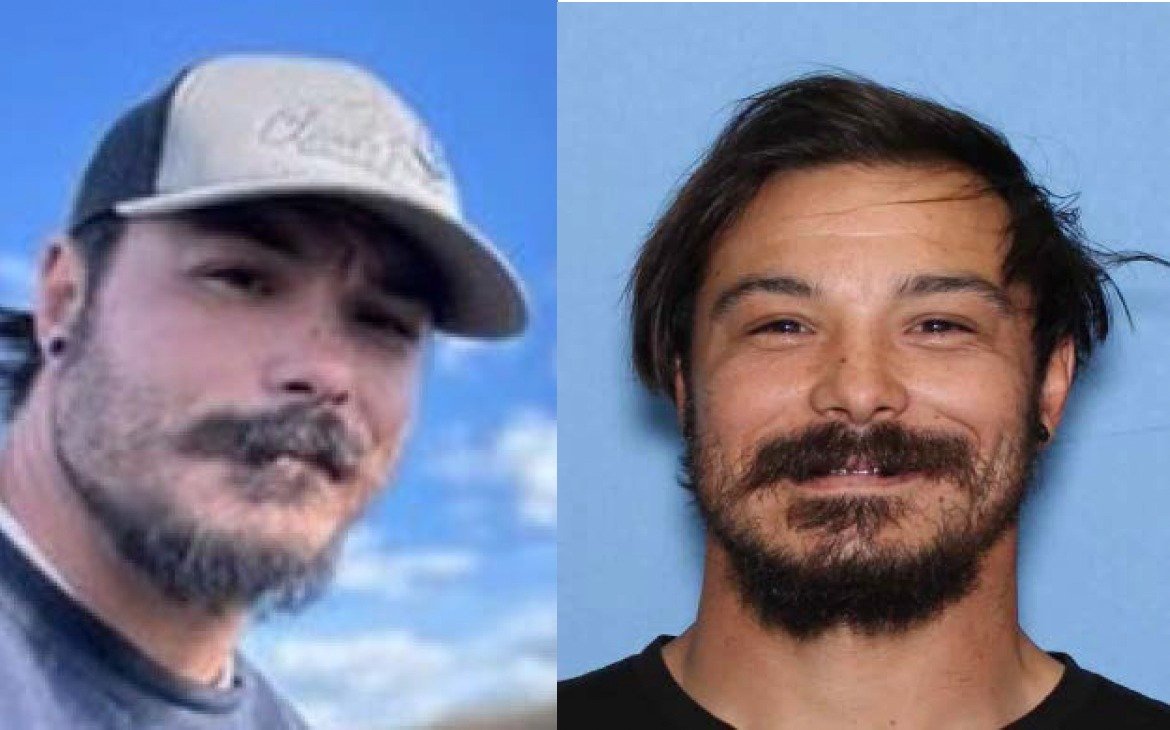
Travis Decker Remains Found DNA Confirms Fugitive Dad Dead

Gen Just Law
Jessica is the founder of Gen Just Law and the voice behind JESSISPRUDENS™ and THE JESS DOCKET™. She covers major criminal trials and breaking legal developments with a focus on the evidence, the law and the questions that remain after the headlines move on.
𝕏 Follow on X: @genjustlaw
Leave a Reply