Gender based violence does not spike randomly. It rises when systems fail. Climate change has become one of the most reliable accelerators of that failure.
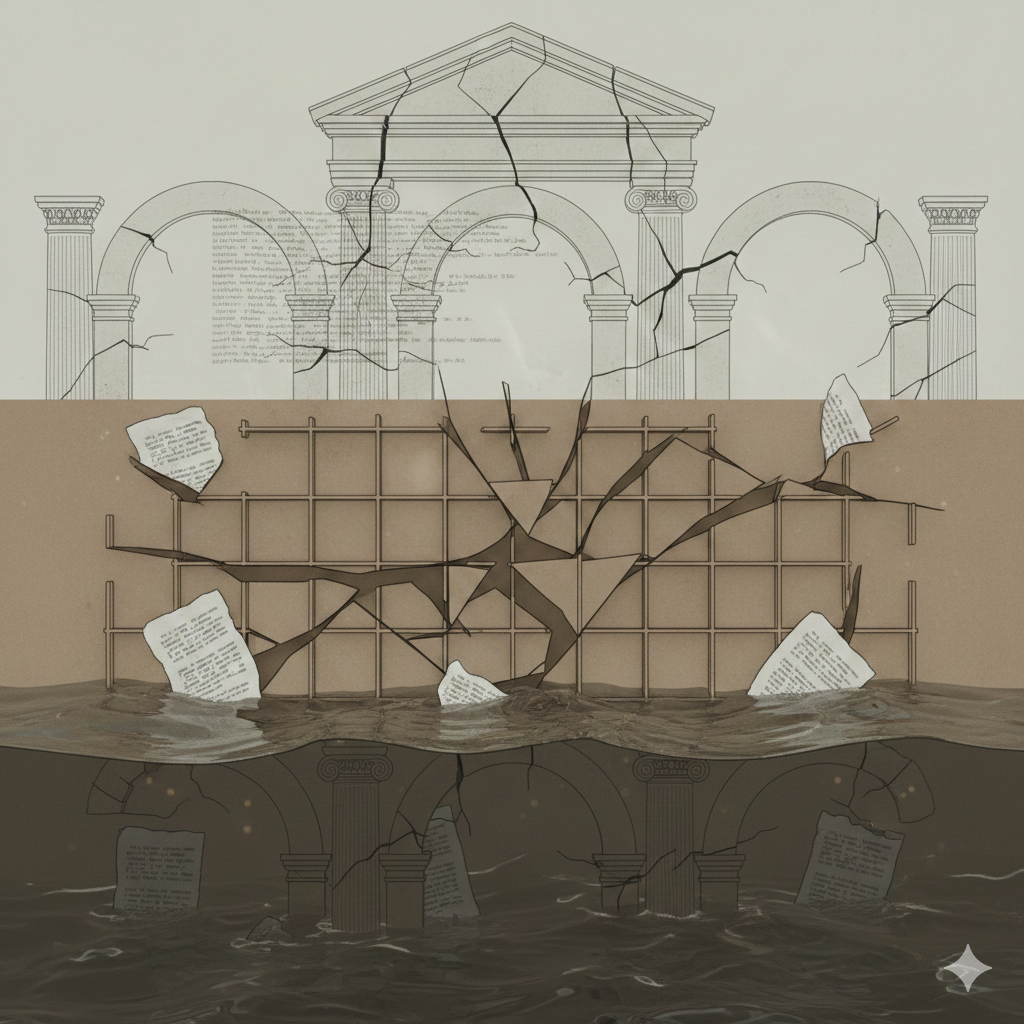
Floods, droughts, heatwaves, and displacement do more than destroy homes and livelihoods. They dismantle justice systems. Courts close or slow. Police become unreachable. Documentation is lost. Transport collapses. When access to law disappears, violence does not stop. It relocates. It moves indoors and it targets women and girls first.
This pattern is visible across climate affected regions. Displacement correlates with higher rates of intimate partner violence and sexual exploitation. Food insecurity fuels forced marriage and survival sex. Energy poverty and unsafe housing expose women to assault. Economic collapse traps survivors with abusers. Climate stress amplifies every existing risk, but what turns risk into harm is the absence of accountability.
During climate emergencies, justice systems are often treated as secondary infrastructure. Relief focuses on shelter, food, and medicine, while legal access is postponed until stability returns. That delay is not neutral. It creates a vacuum where violence becomes normalized because reporting, protection, and remedy are no longer reachable.
This is where Sustainable Development Goal 16 stops being abstract. Peace, justice, and strong institutions are not governance ideals in climate contexts. They are protective infrastructure. If people cannot access statutory information, legal rights, or reporting mechanisms during crisis, then protection exists only on paper.
UNDP’s focus on people centred access to justice through digital innovation sits precisely in this gap. When physical institutions fail, digital access to statutory information can determine whether survivors have options or silence. Knowing the law, understanding rights, and reaching services remotely can be the difference between protection and impunity.
Digital justice tools are not about convenience. They allow survivors to access legal information when courts are closed, to report abuse during displacement, to preserve evidence when systems are disrupted, and to bypass local power structures that often shield perpetrators. In climate affected settings, this is continuity, not innovation.
Gender based violence prevention that ignores justice access is performative. States increasingly acknowledge GBV as a climate impact, then respond with awareness campaigns while legal systems remain inaccessible. That approach fails by design. If survivors cannot identify applicable law, seek protection, or pursue remedies during emergencies, then policy statements do not prevent harm.
SDG16 connects climate resilience, gender protection, and the rule of law because prevention requires access. Access requires systems that function under stress. Human rights obligations do not pause during disasters. International law does not recognize instability as an excuse for inaction.
The uncomfortable truth is that climate change does not create gender based violence. It exposes how conditional protection has always been. When justice systems only function in stable conditions, they are privileges, not safeguards.
If access to justice collapses when climate stress hits, then violence is foreseeable. Foreseeable harm carries responsibility. Treating justice access as optional in climate response guarantees that gender based violence will remain a predictable outcome rather than a preventable failure.

Leave a Reply