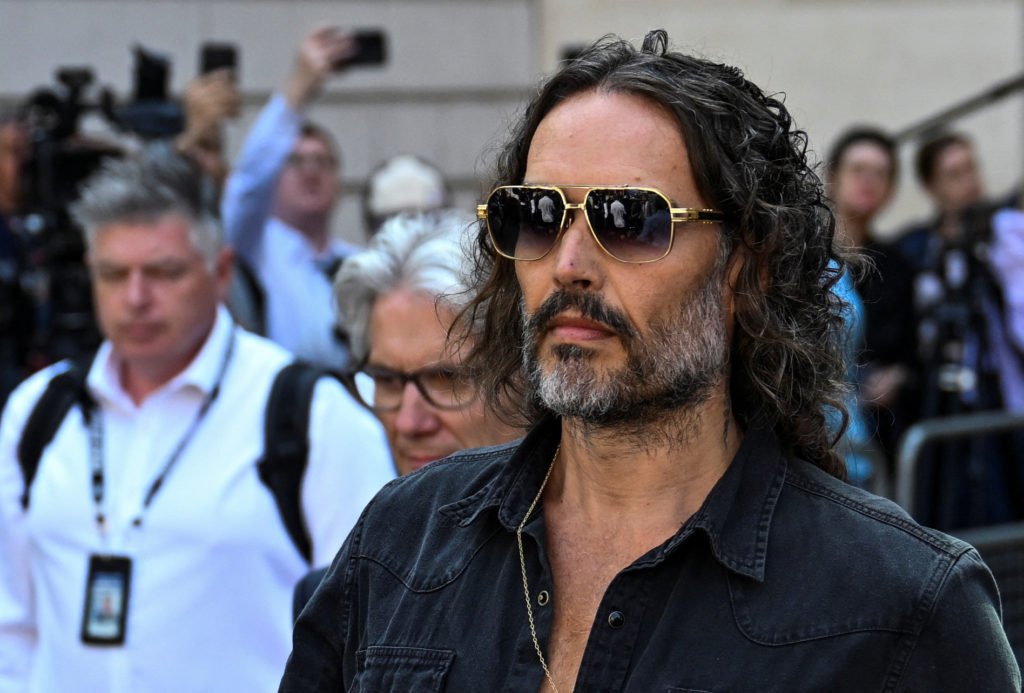
On May 30, 2025, Russell Brand stood in a London courtroom and pleaded not guilty to six criminal charges, including rape and sexual assault. Then he walked out free on bail.
Yes, that Russell Brand, the comedian, actor, former BBC radio host, and now self-styled wellness guru. But this wasn’t a podcast or an interview. This was Southwark Crown Court. And the stakes? Life-altering.
Let’s break down what happened, what it means, and why this case could reshape how historic sexual assault allegations are prosecuted in the UK.
The Charges: Six Allegations. Four Accusers. One High-Profile Defendant.
Brand is facing:
2 counts of rape
1 count of oral rape
1 count of indecent assault
2 counts of sexual assault
The alleged victims say the assaults happened between 1999 and 2005 in London and Bournemouth. These are not new claims but this is the first time they’ve reached a courtroom.
Why Now? The Media Spark Behind the Case
In 2023, a joint investigation by The Times, The Sunday Times, and Channel 4’s Dispatches aired serious allegations against Brand, with several women describing disturbing incidents from the height of his fame.
The reports triggered widespread outrage, but more importantly, they led to a formal investigation by the Metropolitan Police.
The result? A multi-count indictment, built on allegations that are nearly two decades old.
No Statute of Limitations? That’s Correct
Unlike some jurisdictions, England has no statute of limitations on rape or serious sexual offences. If new evidence or credible testimony surfaces, police can prosecute, no matter how much time has passed.
That’s a key legal takeaway: old doesn’t mean irrelevant in UK criminal law.
His Courtroom Appearance: A Symbolic Statement?
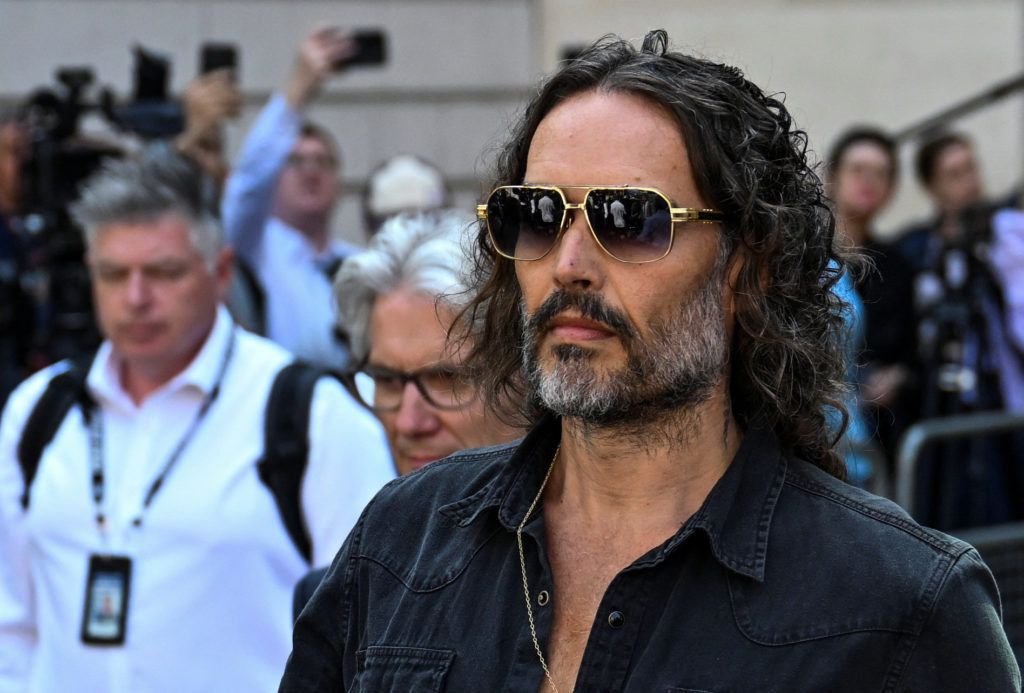
Russell Brand arrived in court wearing a grey suit, dark sunglasses, and an open shirt. In his hands? A copy of The Valley of Vision, a book of Puritan prayers.
Whether it was personal comfort or public messaging, the image was unmistakable: a man trying to project introspection, faith, and perhaps redemption.
But prosecutors weren’t moved by aesthetics. As the judge read each charge, Brand replied simply:
“Not guilty.”
What Comes Next?
🗓 Trial Date: June 3, 2026
📍 Location: Southwark Crown Court
⏱ Duration: Expected to last 4–5 weeks
Between now and then, his legal team will prepare motions, review the prosecution’s evidence, and plan how to challenge the credibility and consistency of historic witness accounts.
Prosecutors, on the other hand, will rely on testimony, corroborating witnesses, and possible patterns of behavior to make their case.
This trial isn’t just about Russell Brand. It’s about how modern legal systems treat historic sexual assault allegations — and how public figures are held accountable long after the cameras stop rolling.
It’s also about balance: the presumption of innocence vs. the weight of public outrage. Due process vs. cancel culture.
And most importantly, it’s about whether justice can still be served decades after the damage was allegedly done.
Russell Brand may have walked out of court today. But next year, he’ll walk back in — and this time, it’s for trial.
Until then, the world is watching.
Want more courtroom coverage and legal breakdowns from celebrity trials to political prosecutions? Follow @genjustlaw — The General Justice Lawyer — for sharp legal insight without the fluff.
Leave a Reply